



Education is one of the most valuable assets a person can have. It is the foundation of knowledge, skills, and personal development. From childhood to adulthood, education shapes our thinking, improves our abilities, and prepares us for future challenges. It not only helps us build successful careers but also teaches us how to become responsible citizens.
In today’s modern world, education is no longer limited to classrooms. With the help of technology, students can learn through online courses, virtual classrooms, educational apps, and digital libraries. Education empowers people to make informed decisions, solve problems, and contribute positively to society.
📖 What is Education?
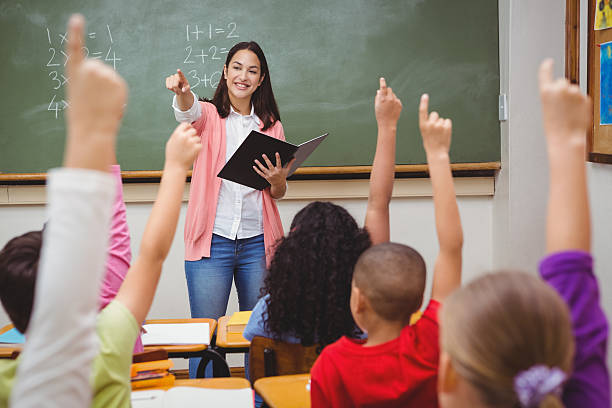
Education is the process of gaining knowledge, skills, values, and habits through learning, teaching, training, or research. It helps individuals understand the world around them and prepares them for personal and professional success.
Education begins at home, continues in schools and colleges, and remains a lifelong process. It encourages critical thinking, creativity, and self-confidence.
Examples of Education
- School Education
- College and University Education
- Online Learning
- Vocational Training
- Professional Courses
- Self-Learning
🌟 Why is Education Important?
Education plays a significant role in improving the quality of life. It provides opportunities for better employment, financial stability, and personal growth.
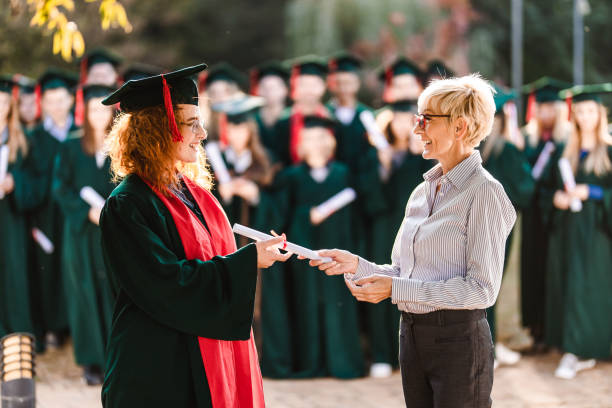
Education helps by:
✔ Improving knowledge and skills.
✔ Building confidence and communication abilities.
✔ Creating better career opportunities.
✔ Promoting equality and social development.
✔ Encouraging innovation and creativity.
✔ Helping people make informed decisions.
A well-educated society is more likely to achieve economic growth, peace, and sustainable development.
🎓 Types of Education
Education can be divided into different categories based on the learning method.
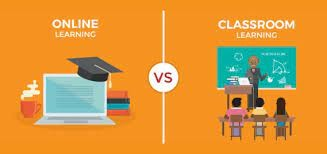
1. Formal Education
Formal education takes place in schools, colleges, and universities following a structured curriculum.
Examples:
- Primary School
- Secondary School
- College
- University
Informal education is gained through daily life experiences, family, friends, books, and social interactions.
Examples:
- Learning from Parents
- Reading Books
- Watching Educational Videos
3. Non-Formal Education
Non-formal education includes organized learning outside traditional schools.
Examples:
- Online Courses
- Skill Development Programs
- Computer Training
- Language Classes
✅ Conclusion
Education is the key to a brighter future. It empowers individuals with knowledge, develops essential life skills, and creates opportunities for personal and professional success. Whether gained through schools, colleges, or online platforms, education helps people become confident, responsible, and innovative members of society. By investing in education, we invest in a better future for ourselves and for the world.