



Introduction
Technology has evolved rapidly over the past few decades, but one innovation stands out above all others—Artificial Intelligence (AI). Once considered a concept from science fiction movies, AI has now become a part of our everyday lives. From unlocking smartphones with facial recognition to receiving personalized recommendations on streaming platforms, AI is working behind the scenes to make our lives easier and smarter.
Artificial Intelligence is changing the way businesses operate, students learn, doctors treat patients, and people communicate. As technology continues to grow, AI is becoming one of the most powerful tools shaping the future of humanity. It is helping solve complex problems, improve productivity, and create opportunities that were once impossible.
What is Artificial Intelligence?
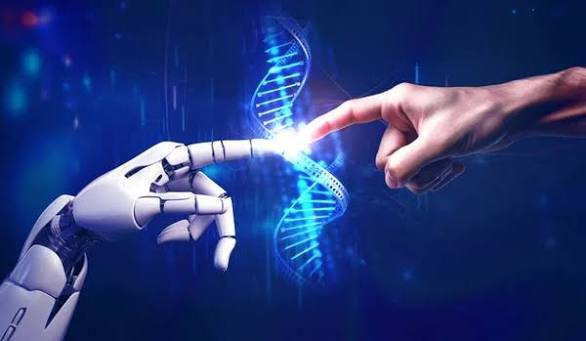
Artificial Intelligence is a branch of computer science that enables machines to perform tasks that normally require human intelligence. These tasks include learning from experience, solving problems, understanding language, recognizing images, and making decisions.
Unlike traditional software, AI systems improve over time by analyzing data and identifying patterns. This ability allows them to become more accurate and efficient with every interaction.
How AI Is Changing Everyday Life
Artificial Intelligence is already part of our daily routine, even if we don’t always notice it. It works quietly in the background, making many everyday activities faster and more convenient.
Common Examples of AI
- Voice assistants like Siri and Google Assistant.
- Face recognition for smartphone security.
- Navigation apps suggesting the fastest routes.
- Online shopping recommendations.
- Chatbots providing customer support.
- Language translation applications.
AI in Healthcare
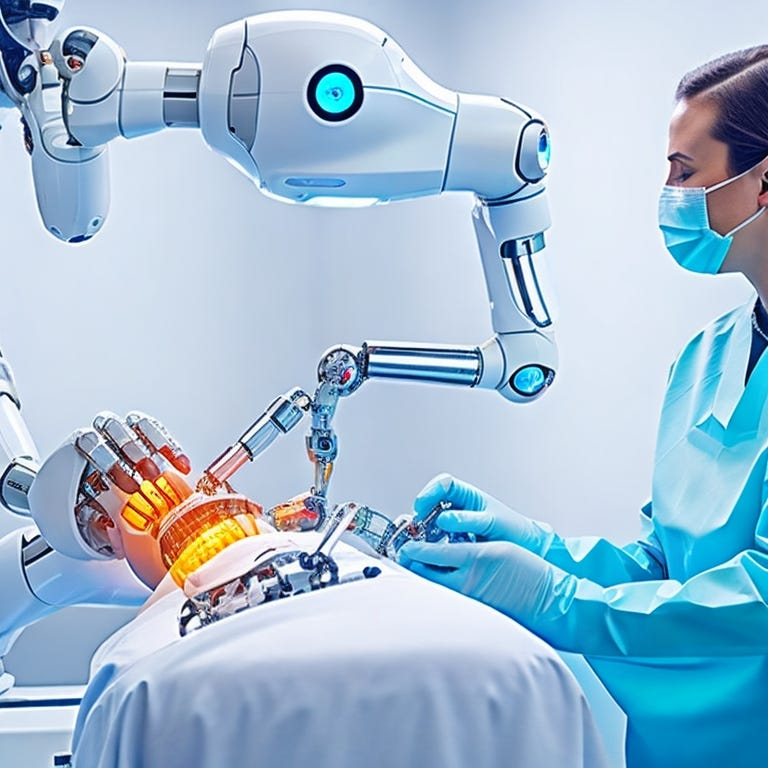
Artificial Intelligence is transforming healthcare by helping doctors diagnose diseases earlier and more accurately. AI-powered systems analyze medical images, predict health risks, and assist in creating personalized treatment plans.
Benefits of AI in Healthcare
✔ Early disease detection.
✔ Faster medical diagnosis.
✔ Improved patient care.
✔ Robotic-assisted surgeries.
✔ Better hospital management.
AI in Education

Education is becoming more interactive and personalized because of Artificial Intelligence. AI-powered learning platforms understand a student’s strengths and weaknesses and provide customized learning experiences.
Students can learn at their own pace while teachers use AI tools to create quizzes, check assignments, and improve classroom management.
Advantages for Students
- Personalized learning.
- Instant feedback.
- Interactive online classes.
- Better understanding of difficult subjects.
- Learning anytime and anywhere.
AI in Business

Businesses across the world are using Artificial Intelligence to improve productivity and customer satisfaction. AI helps companies analyze customer behavior, automate repetitive tasks, and make better business decisions.
AI Helps Businesses By
- Improving customer service.
- Predicting market trends.
- Automating routine work.
- Increasing productivity.
- Reducing operational costs.
The Future of Artificial Intelligence

The future of AI is full of exciting possibilities. In the coming years, Artificial Intelligence is expected to become even more advanced, helping people in fields such as healthcare, education, transportation, agriculture, and scientific research.
Future AI technologies may include:
- Self-driving vehicles.
- Smarter healthcare systems.
- AI-powered smart cities.
- Advanced robotics.
- Personalized education.
- Faster scientific discoveries.
As innovation continues, AI will play an even greater role in solving global challenges and improving everyday life.
Challenges of Artificial Intelligence
Although AI offers many benefits, it also brings certain challenges that society must address.
Some important concerns include:
- Data privacy and security.
- Job automation.
- Ethical use of AI.
- Dependence on technology.
- Risk of misinformation.
Using AI responsibly is essential to ensure it benefits everyone.
Interesting Facts About AI
- AI can analyze huge amounts of data within seconds.
- Many smartphones already use AI for photography and security.
- AI-powered chatbots can answer customer questions 24/7.
- AI is helping scientists develop new medicines faster.
- Voice assistants use AI to understand and respond to human language.
Conclusion
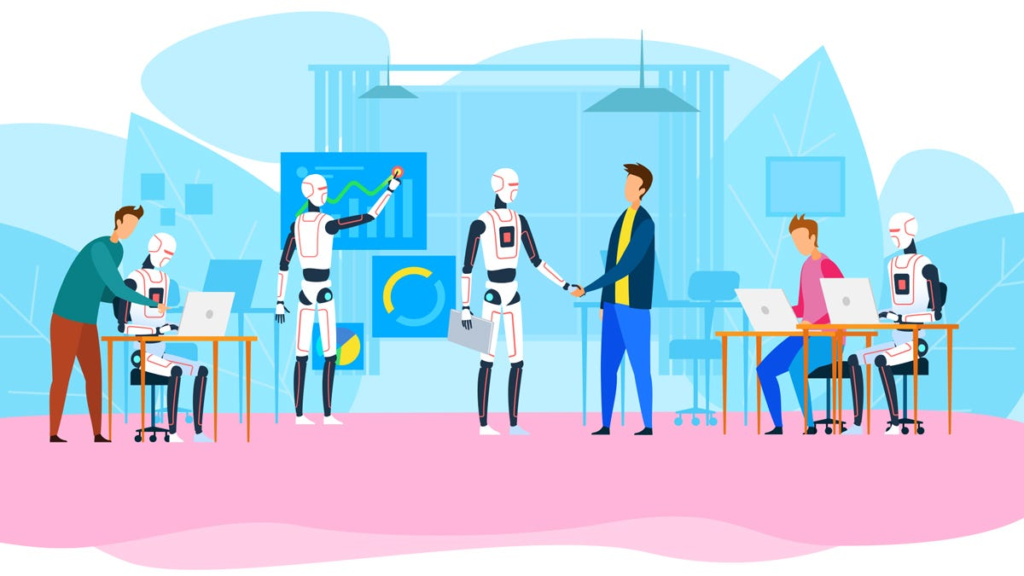
Artificial Intelligence is one of the most influential technologies of our time. It is transforming industries, improving daily life, and creating new opportunities for innovation. While challenges such as privacy and job automation must be addressed, the benefits of AI continue to grow. By using Artificial Intelligence responsibly, we can build a future that is smarter, safer, and more connected. AI is not here to replace humans—it is here to help us achieve more than ever before.