



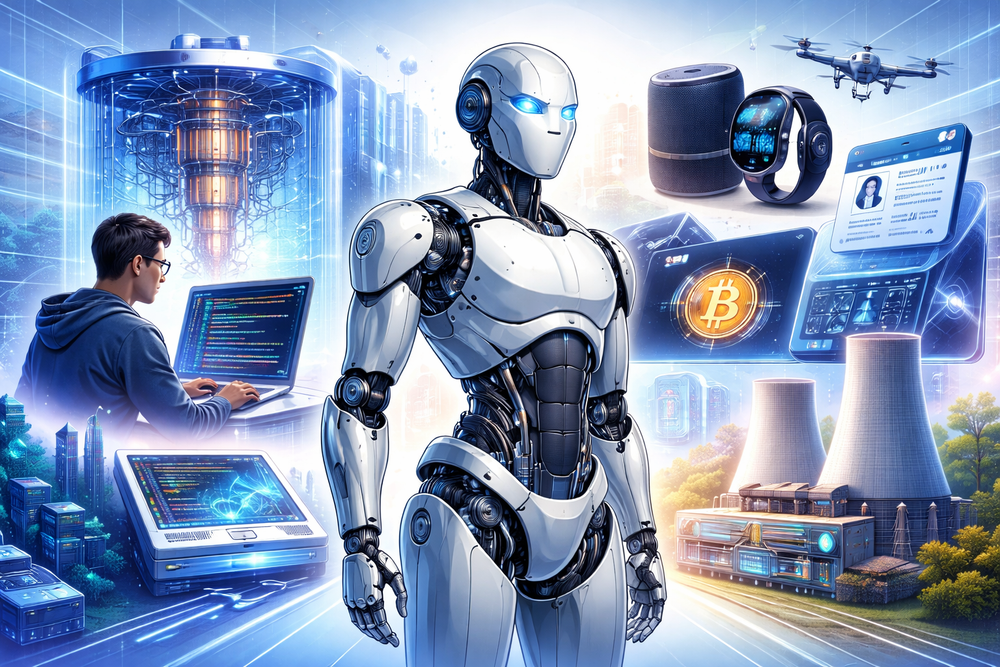
Technology is evolving faster than ever before, transforming the way people live, work, and communicate. In 2026, innovations such as Artificial Intelligence (AI), cloud computing, smart devices, and automation are becoming an essential part of daily life. These technologies are helping businesses improve efficiency and enabling individuals to complete tasks more quickly and effectively. As the digital world continues to expand, technology is creating new opportunities and shaping the future of society.
1.The Rise of Artificial Intelligence
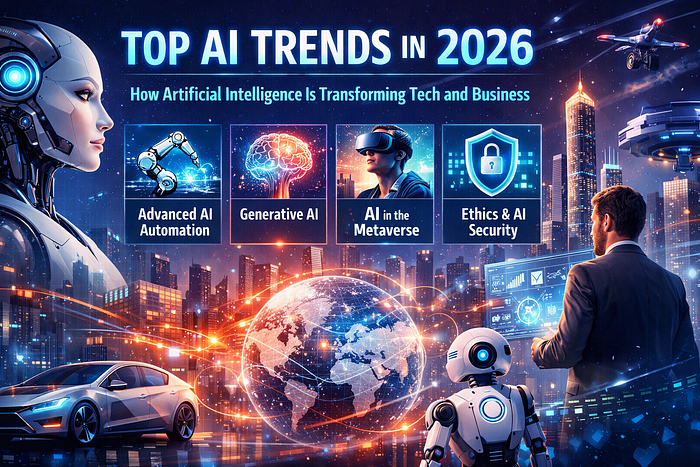
Artificial Intelligence has become one of the most influential technologies of 2026. AI systems are now used in education, healthcare, finance, customer service, and many other industries. Businesses use AI to analyze large amounts of data, automate repetitive tasks, and improve decision-making processes.
In education, AI-powered learning platforms provide personalized lessons that help students learn at their own pace. In healthcare, AI assists doctors in diagnosing diseases and developing treatment plans. Virtual assistants and chatbots have also become more advanced, helping people perform daily tasks efficiently.
As AI continues to grow, it is creating new job opportunities and encouraging students to develop technical skills that will be valuable in the future.
2. AI-Powered Automation in Business Operations
AI automation is transforming repetitive workflows into intelligent processes. Businesses are using AI to handle scheduling, data entry, invoice processing, and customer queries without human intervention.
Instead of replacing workers, AI is acting like a digital teammate. Employees spend less time on routine tasks and more time on strategy, creativity, and problem-solving. This shift is making companies faster and more efficient.
3. Hyper-Personalization in Customer Experience
AI now tailors experiences to individuals in real time. Online stores recommend products based on browsing behavior, while streaming platforms adjust content suggestions instantly.
In 2026, personalization goes deeper. AI analyzes context — location, timing, preferences, and intent — to predict what users want before they ask. It’s like having a concierge who knows your tastes perfectly.
4. AI in Cybersecurity and Threat Detection
Cybersecurity is becoming AI-driven to combat advanced threats. As cyberattacks grow more sophisticated, AI systems detect unusual patterns and respond instantly.
Instead of waiting for breaches, AI predicts vulnerabilities and prevents attacks proactively. This predictive defense approach is one of the most critical AI Trends 2026 for businesses handling sensitive data.
5. The Expansion of AI Copilots and Assistants
AI copilots are evolving into intelligent collaborators. From coding assistants to writing tools and data analysis helpers, AI copilots are embedded into professional software.
They don’t just respond to commands — they anticipate needs. Imagine drafting a report and your AI suggests charts, insights, and summaries automatically. That’s the future of workplace productivity.
Smart Devices and Automation

Smart devices are becoming increasingly common in homes and workplaces. Devices such as smart speakers, smart watches, security systems, and connected appliances make life more convenient and efficient. These technologies allow users to control various functions through mobile applications and voice commands.
Automation is also transforming industries by reducing manual labor and improving productivity. Manufacturing companies use automated machines to produce goods with greater speed and accuracy. Businesses are adopting automation software to manage customer support, marketing campaigns, and administrative operations.
The combination of smart devices and automation saves time, reduces errors, and enhances the overall quality of services and products.
Cloud Computing and Future Innovations
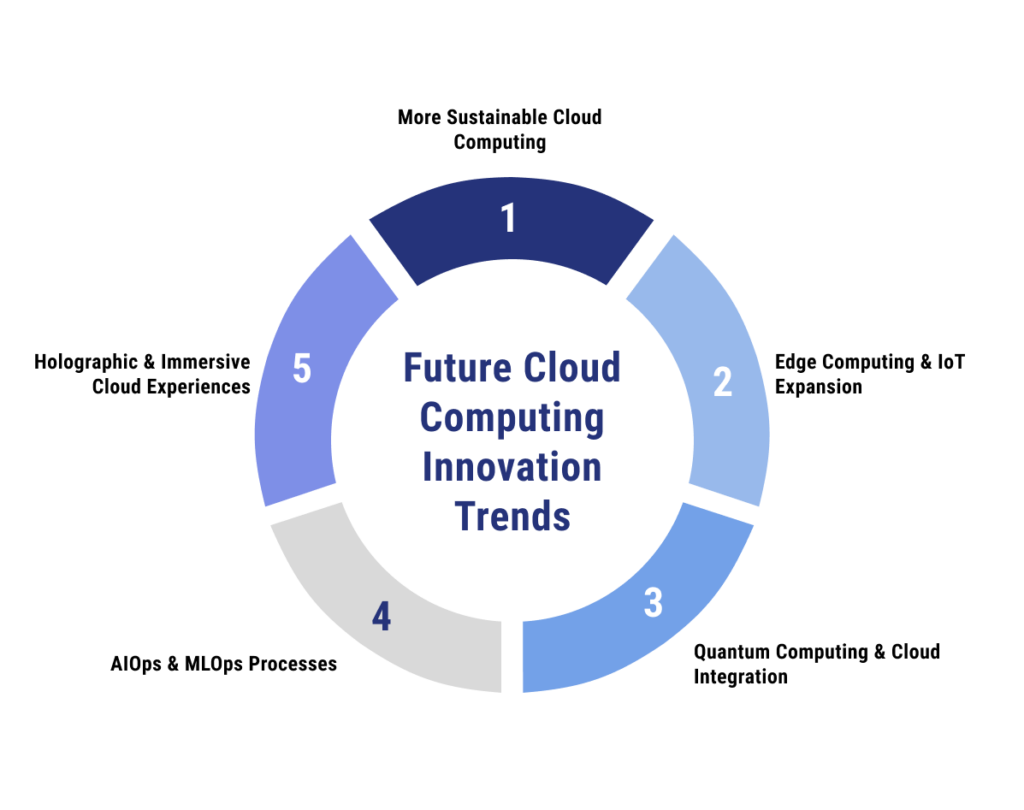
Cloud computing remains one of the most important technological developments. It enables individuals and organizations to store, manage, and access data online from anywhere in the world. Cloud services provide flexibility, security, and cost-effective solutions for businesses of all sizes.
Future technologies such as virtual reality (VR), augmented reality (AR), and advanced robotics are expected to become more widespread. These innovations have the potential to revolutionize industries including education, healthcare, entertainment, and transportation.
As technology continues to evolve, organizations and individuals must stay updated with the latest developments to remain competitive in the digital age.
Conclusion
Technology trends in 2026 are creating a smarter, faster, and more connected world. Artificial Intelligence, automation, smart devices, and cloud computing are transforming industries and improving daily life. These advancements offer exciting opportunities for innovation, growth, and learning. By embracing modern technology and continuously developing new skills, people can prepare themselves for a successful future in an increasingly digital world.